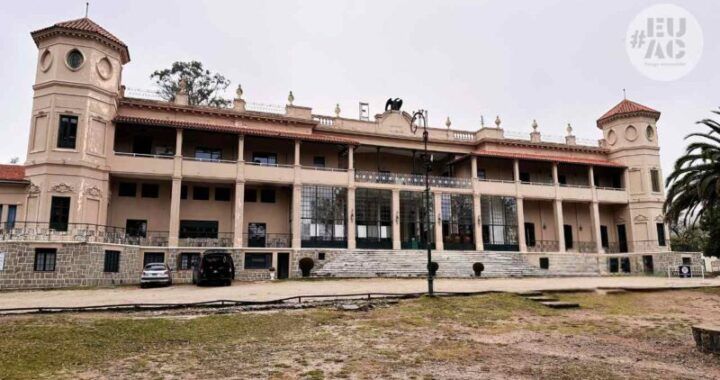
We arrived in Villa Carlos Paz, and the first thing we did was head to our accommodation on Sarmiento Street, the Terra Firma Hotel Boutique. It was a great location for exploring the town on foot. We really liked the decor and the restaurant.
But we will begin our tour by taking a walk from the hotel to the village’s pedestrian area.
Indice:
Centennial Bridge, Villa Carlos Paz Pedestrian Street
We’ll first cross the Centenario Bridge, which is only 400 meters away.
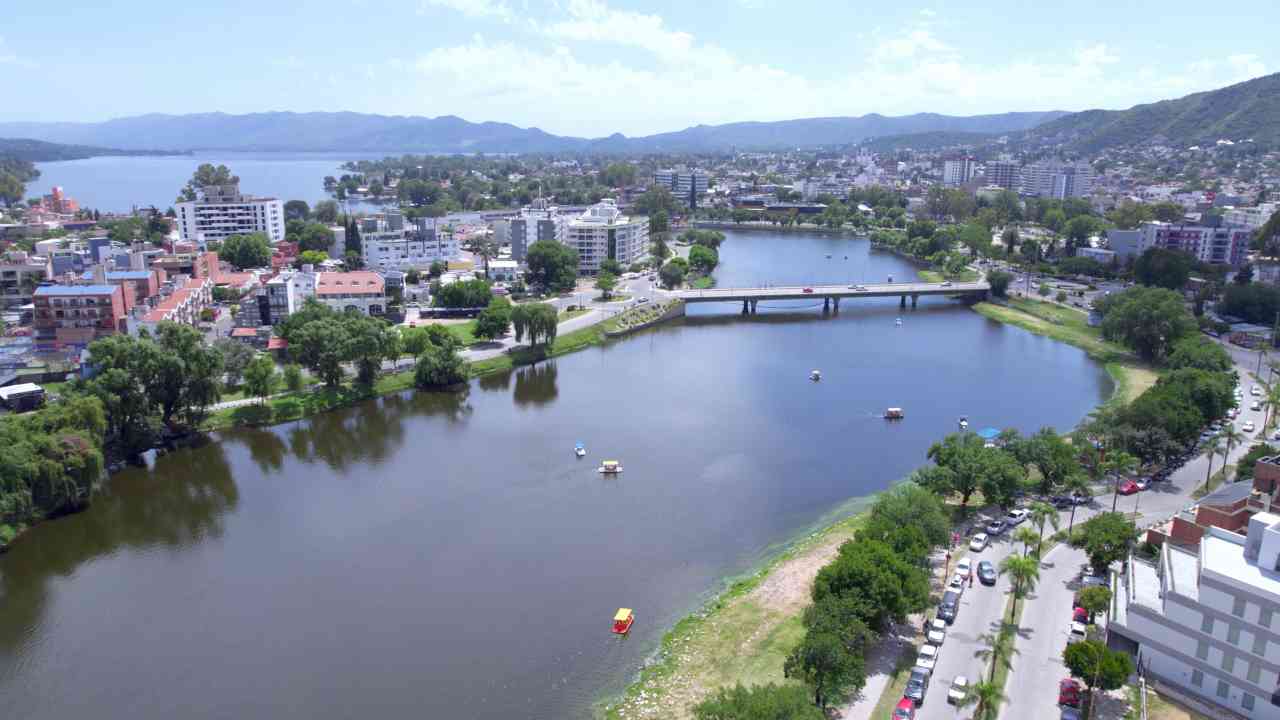
The Centenario Bridge is a pedestrian walkway inaugurated in 2019 to commemorate the town’s 100th anniversary. It spans the San Antonio River and connects Sabattini Avenue with Bernardo D’Elía Promenade.
The pedestrian street of Villa Carlos Paz is the place you inevitably return to more than once during your stay. Located on 9 de Julio and General Paz Streets, it’s the nerve center of the city: here, theaters with their illuminated marquees, souvenir shops, bars, and ice cream shops mingle.
Villa Carlos Paz sign, Uruguay Bridge
One of the most photographed spots in the city is the “Villa Carlos Paz I Fall in Love” sign, located in the Municipal Gardens, in front of the Tourist Office and very close to the bus terminal.
Designed by architect Luis Mario Badio, this sign was inspired by the city’s official logo and transformed into a modern and colorful postcard that everyone wants to take home as a souvenir.
From here the walk takes us to the Uruguay Bridge.
The Uruguay Bridge is another of those places of great value for visitors to Villa Carlos Paz. This bridge connects sections of the San Antonio River and is widely used by both pedestrians and vehicles, facilitating access between neighborhoods and the downtown area. For years, it was a unique space that housed a shopping mall with more than 70 stalls of local artisans and entrepreneurs.
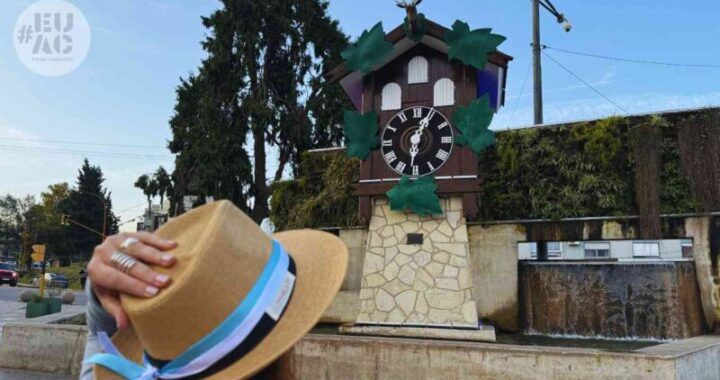
Cuckoo Clock
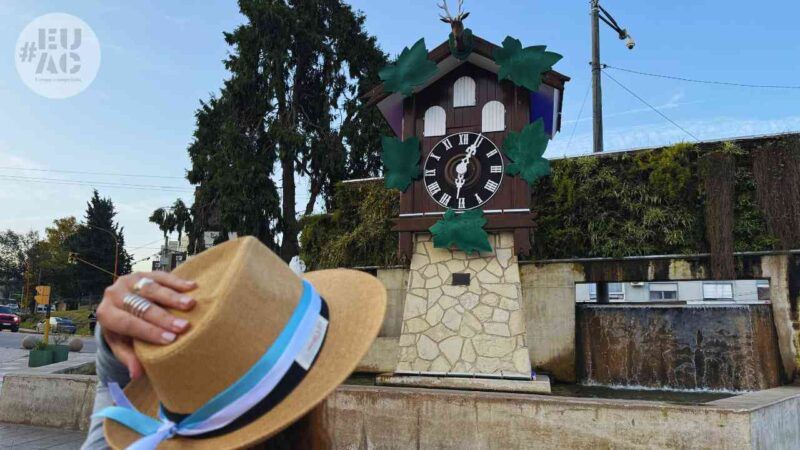
And now we go to the most iconic place in the town, the Cuckoo Clock of Carlos Paz!
The Cuckoo Clock is one of those symbols you can’t miss in the city. Inspired by traditional Swiss clocks, this enormous wooden clock stands in the heart of the city, and every hour it surprises with its famous “cuckoo” chime.
More than just a clock, it’s a meeting point and a typical postcard of the town, reflecting the European influence in this mountain city. If you’re strolling through the city, don’t miss the opportunity to take a photo with this icon that blends tradition and fun.
Throughout the trip, we were connected with Holafly eSIMs. We always use them on our trips to Europe, and this was no exception; we use them here in Argentina as well.
San Roque Dam
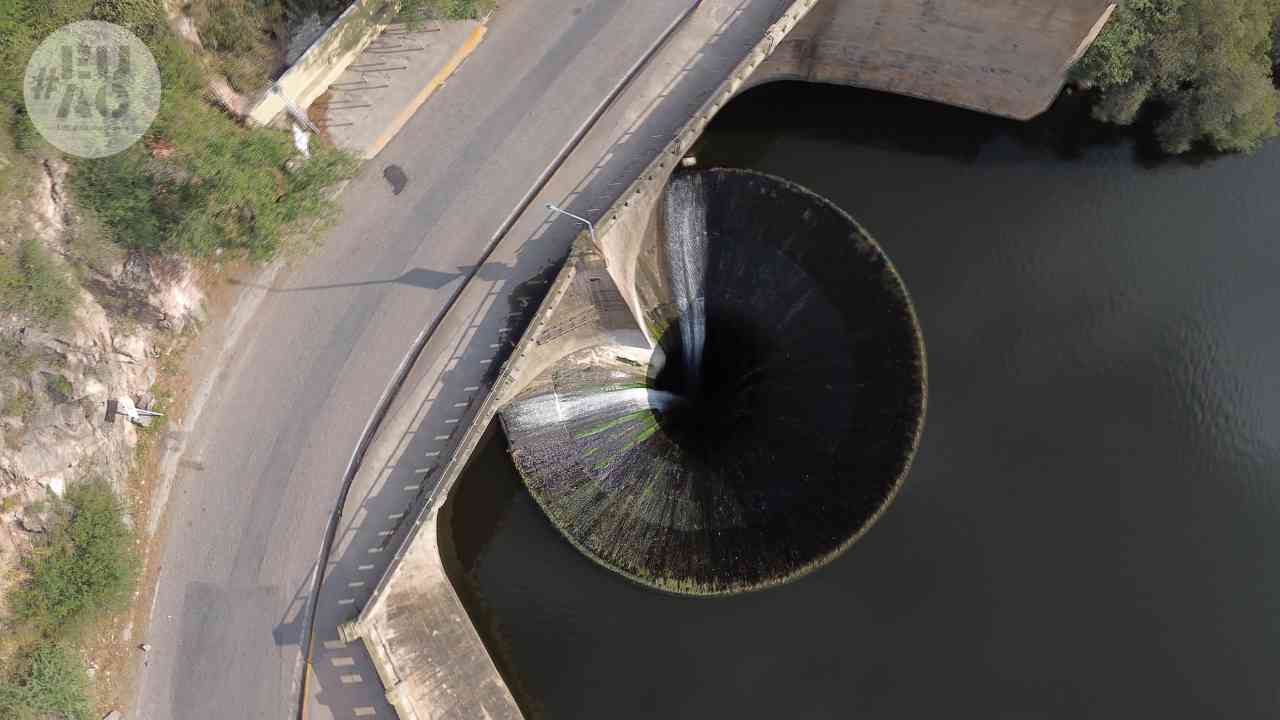
A trip to the San Roque Lake Dam is another thing you can’t miss, although for this you’ll have to go by car since it’s approximately 15 or 20 kilometers away depending on where you go, and one of the options is a panoramic route, the road of 100 curves.
The San Roque Dam, inaugurated in 1891, is a historical and engineering gem that transformed the region. This imposing dam impounds the waters of the San Antonio River and other tributaries, forming the lake that today surrounds Villa Carlos Paz. In addition to controlling floods, it was a pioneer in generating hydroelectric power in Argentina.
The famous “Embudo” structure is one of the most photographed sites, regulating the water level and demonstrating the engineering behind this marvel. I believe that visiting the San Roque Dam is discovering an essential part of the history and beauty of the Córdoba mountain range.
We haven’t even mentioned the walks along the lake shore, a must-do, lovely hikes, or car rides with panoramic views over the aforementioned body of water.
Villa Carlos Paz video
NOTE: The information in this article is based on our own experience and is completely objective. This article contains affiliate links.