
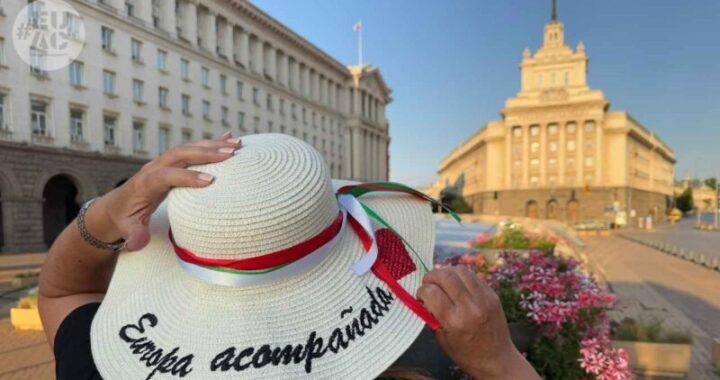
What to see in Sofia in two days. Sofia, the capital of Bulgaria, is one of the oldest cities in Europe and also one of the most affordable to visit. Located in the west of the country, near Serbia and North Macedonia, it combines Roman ruins, Orthodox churches, socialist-era architecture, and monumental buildings.
In this practical guide we tell you what to see in Sofia in 2 days, with a walking itinerary, approximate distances and real tips to organize your trip.
And we’ll tell you something in advance: if you can, stay for 3 days.
Indice:
🗺 Map of the itinerary: what to see in Sofia in two days
Here you can see the complete route organized by days, with all the points marked so you can easily follow it on foot.
Day 1 in Sofia: walking itinerary through the historic center
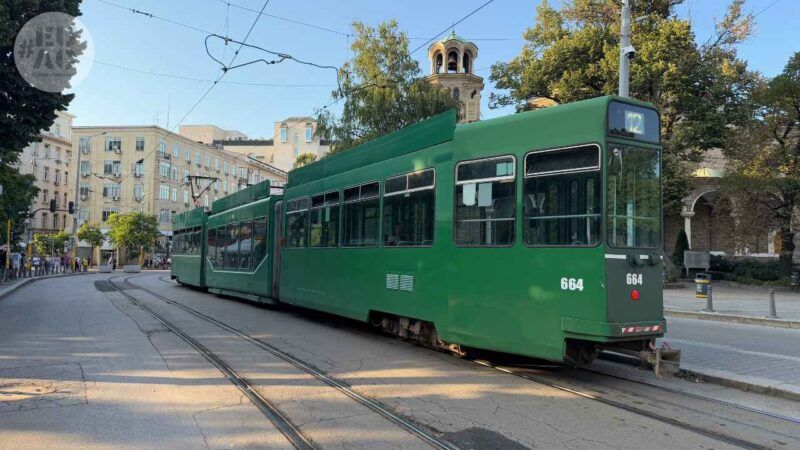
Most of the stops on the first day can be explored on foot. If you stay near Vitosha Boulevard, almost everything is within easy walking distance.
Vitosha Boulevard
The city’s main pedestrian street. It’s the best place to start getting a feel for Sofia: restaurants, cafés, shops, and a local atmosphere.
Free walking tours also usually start here, which is a great option for a first historical introduction.
National Palace of Culture (NDK)
About 900 meters along the boulevard, you’ll find the National Palace of Culture, inaugurated in 1981.
It is one of the most representative buildings of the socialist period and currently operates as a congress and events center. In front of it, there is a large park with fountains, ideal for taking a break.
Sveta Nedelya Cathedral
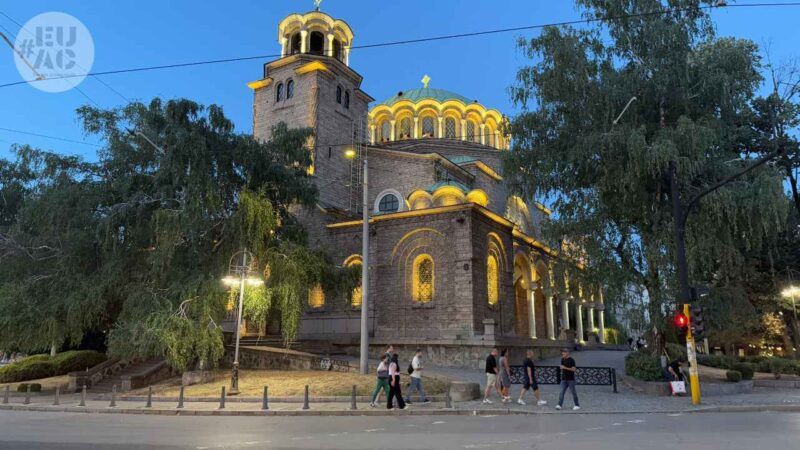
On the way back toward the historic center, this Orthodox cathedral stands out for its large central dome.
Entry is free (it is an active place of worship). If you wish to take photos inside, they may ask for a small contribution.
A bombing took place here in 1925 that marked the country’s history.
Church of St. George (Rotunda)
Just a few meters away stands the oldest preserved building in Sofia.
Built in the 4th century, during Roman times when the city was called Serdica, this small red-brick church preserves medieval frescoes and is a must-visit.
Statue of Sofia
Before crossing toward the archaeological area, you’ll see this large statue inaugurated in 2000, which replaced a former statue of Lenin.
It has become one of the modern symbols of the city.
Church of Sveta Petka
Small, partially sunken below the current street level, and with medieval frescoes inside. Many people walk past without noticing it.
Roman Ruins of Serdica
Here you are literally walking over the ancient Roman city.
You can explore remains of streets, houses, and walls. Access is free and helps you imagine the importance this city had during the imperial era.
Banya Bashi Mosque
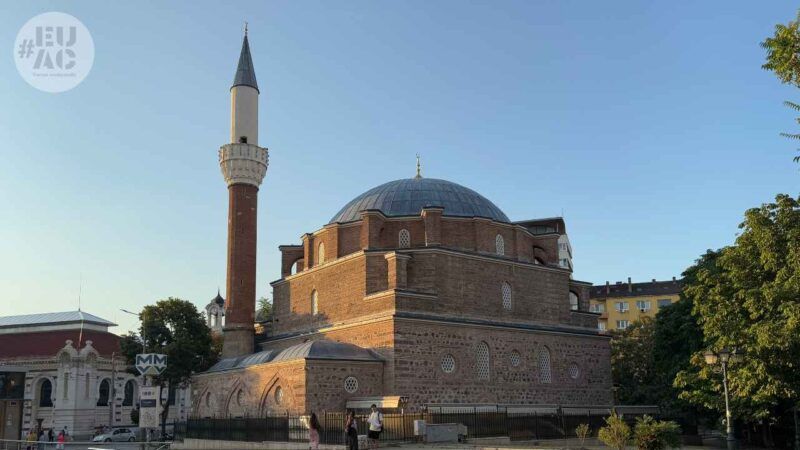
Built in the 16th century during the Ottoman period, it is still an active mosque.
Its name refers to the old thermal baths over which it was built.
Sofia Central Mineral Baths
Right across from it are the former thermal baths, now converted into the Sofia History Museum.
Outside, it is still common to see people filling bottles at the mineral water fountains.
Central Market Hall
An early 20th-century building, recently restored.
A good place to take a break, try something local, or simply observe everyday life.
Lions’ Bridge
About 600 meters from the market stands this 19th-century bridge guarded by four lion sculptures.
It is a less touristy area, but interesting for understanding the city’s expansion.
Day 2 in Sofia: icons and monumental buildings
City Garden
The oldest park in the city.
If you visit Sofia in March, you’ll see many people wearing red and white bracelets:
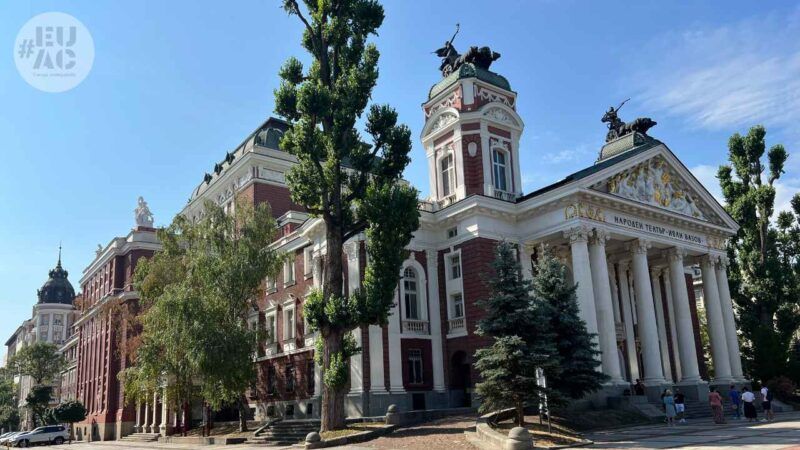
Ivan Vazov National Theatre
The most important theatre in Bulgaria, inaugurated in 1907.
Its neoclassical façade makes it one of the most photogenic buildings in Sofia.
Royal Palace
The former royal residence, now home to the National Art Gallery and the Ethnographic Museum.
Russian Church of St. Nicholas
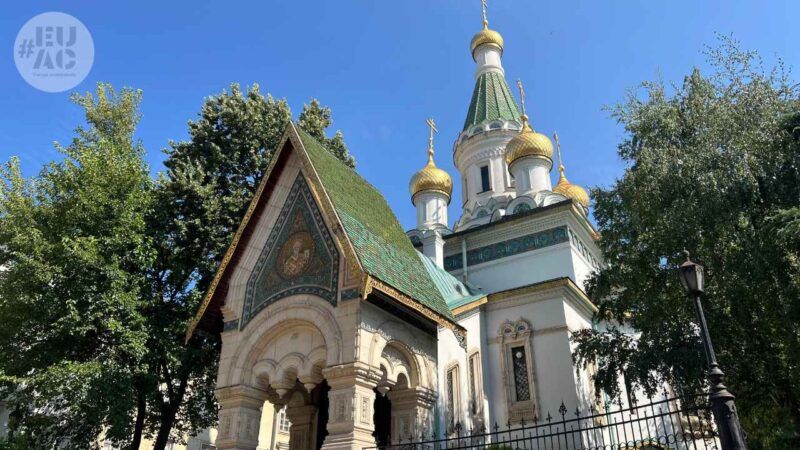
Small church with golden onion-shaped domes, built for the Russian community at the beginning of the 20th century.
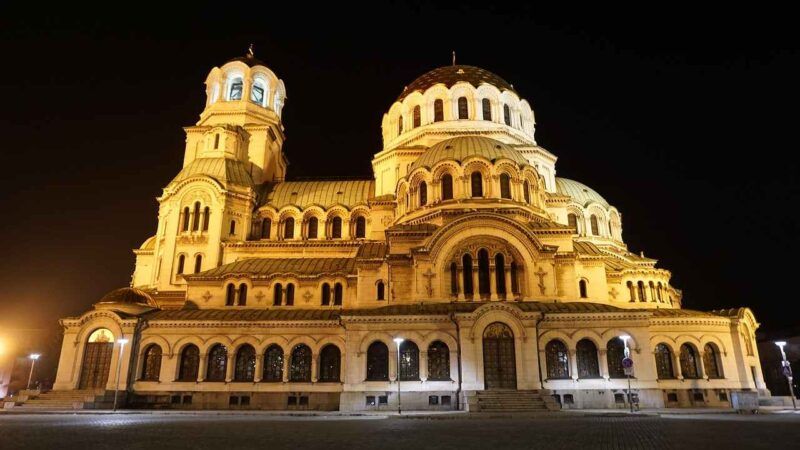
Alexander Nevsky Cathedral
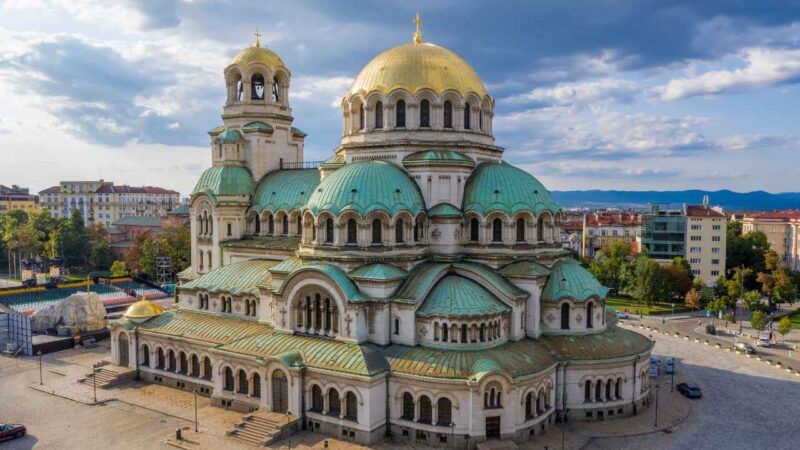
The great symbol of Sofia.
Built between 1882 and 1912 as a tribute to the Russian soldiers of the Russo-Turkish War, it is one of the largest Orthodox cathedrals in Europe.
Free entry.
In the crypt, you can visit a collection of Orthodox icons (paid entry).
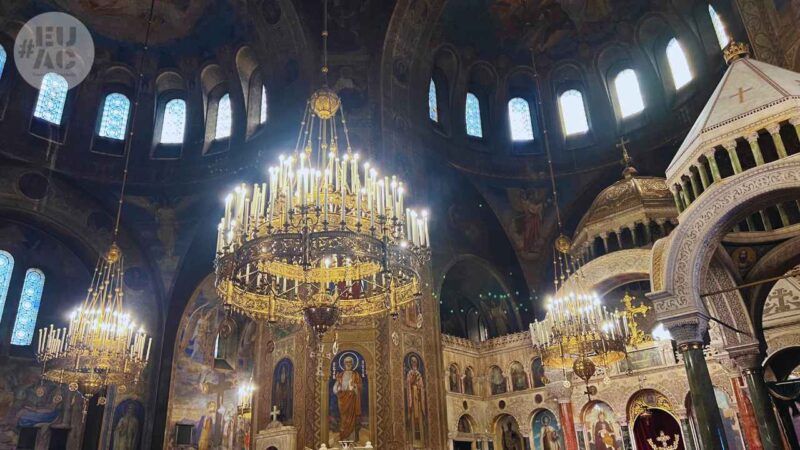
Church of Saint Sofia
A 6th-century temple that gave the city its name.
Simple red-brick architecture.
Entry to the church is free.
The underground archaeological area requires a paid ticket.
National Assembly
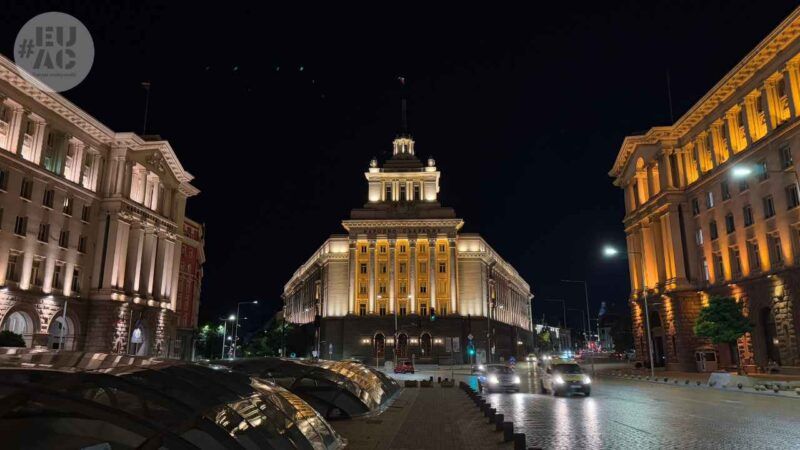
Building belonging to the National Assembly, formerly the House of the Communist Party.
Day 3 must-see: Rila Monastery
If you have one more day, don’t hesitate.
Rila Monastery is 115 km from Sofia (about 2 hours by car).
Options:
- Own car
- Bus (~€9 per trip, check schedules) rilaesxpress.com
- Excursion (from €19 depending on the option + monastery entrance fee not included €4)
Practical tips for traveling to Sofia
Currency
The currency is the Bulgarian lev (BGN).
€1 ≈ 1.96 BGN.
Cards are widely accepted, but it’s advisable to carry some cash.
Where to stay in Sofia
We stayed near Vitosha Boulevard, an ideal area for exploring on foot.
How to get there
- We arrived from Serbia in a rental car.
- We returned to Madrid with Bulgarian Air.
👉 Car rental: Discovercars
👉 Search for flights to Sofia
Internet in Bulgaria
We used an eSIM with unlimited data.
Remember to check that your phone is eSIM-compatible and unlocked.
Discount code: EUROPAACOMPAÑADA5
Travel insurance
We recommend always traveling with travel insurance or medical assistance.
Is Sofia an expensive city?
No.
Compared to other European capitals, it is an affordable city. You can eat well without spending too much, and the main attractions are free or low-cost.
Watch the full tour video
If you want to see all these places in detail, with historical context and the full route
Sofia combines ancient history, Ottoman heritage, socialist architecture, and contemporary life in a city that is easy to explore and perfect for a 2- or 3-day getaway.
And if you’re traveling through the Balkans, it’s a stop that’s well worth it.
If you’re going to visit another capital, Bucharest could be a very good option. What to see in Bucharest in 3 days
NOTE: The information in this article is based on our own experience and is completely objective. This article contains affiliate links.

