Ypres, known for its rich history during World War I, is a less touristy destination. From its impressive architecture to its moving monuments, you will discover a place with more locals than tourists and that always has its charm.
Ypres occupied an important position in the county of Flanders, second only to Ghent and Bruges. The tapestry industry, the Ypres cloths, provided a great urban flourishing in the thirteenth century.
Indice:
Market Square

We start our tour at the Grote Markt, the heart of Ypres.
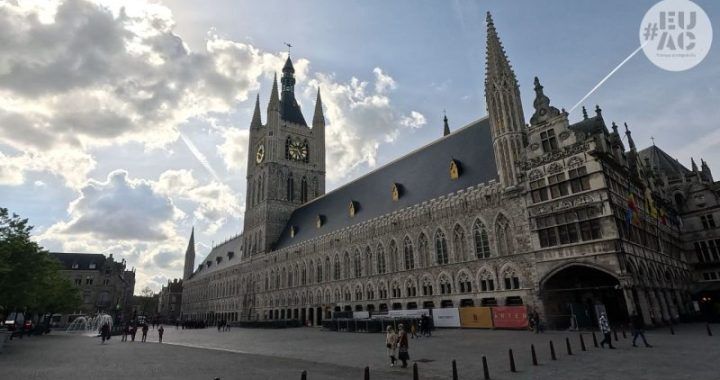
You will be dazzled by its cloth market. One of the most beautiful buildings we’ve ever seen
The Lonja de Paños was one of the largest such buildings of the Middle Ages when it served as the main market and warehouse for the city’s thriving flamenco textile industry. The original structure, erected for the most part during the thirteenth centuryand completed in 1304, was left in ruins after the artillery attack that destroyed Ypres during the First World War. It is part of the historic ensemble known as the Historical Ensemble. Belfries of Belgium and France, which was named Heritage of Humanity by Unesco in 1999.
Here you’ll find the famous bell tower, which offers panoramic views of the city.
In Flanders Fields Museum

Here we also find the In Flanders Fields Museum. This museum will take you through the history of World War I, with interactive and moving exhibits. It is an educational experience that will make you reflect on the past. The ticket price is € 15.50, for more information and updates visit the In Flanders Fields museum website
We stayed in front of the Grote Markt, the Hotel Regina, to tour this city for a day. The hotel is very nice and includes breakfast.
St. Martin’s Cathedral
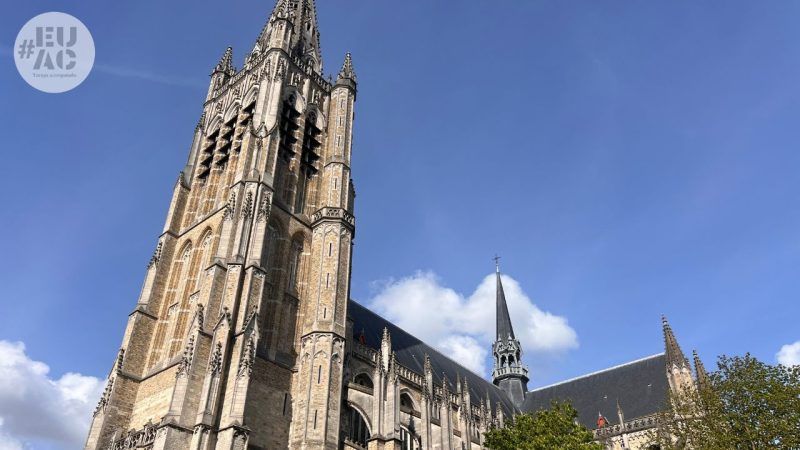
A few steps away we find the San Martín Church. Both buildings, both the town hall and the church, are imposing.
The construction of the old cathedral of San Martín began in 1230, and was completed in 1370.
St Martin’s Cathedral in Ypres was almost completely destroyed by bombing in World War I. After the war, the cathedral was restored and completed in 1929.
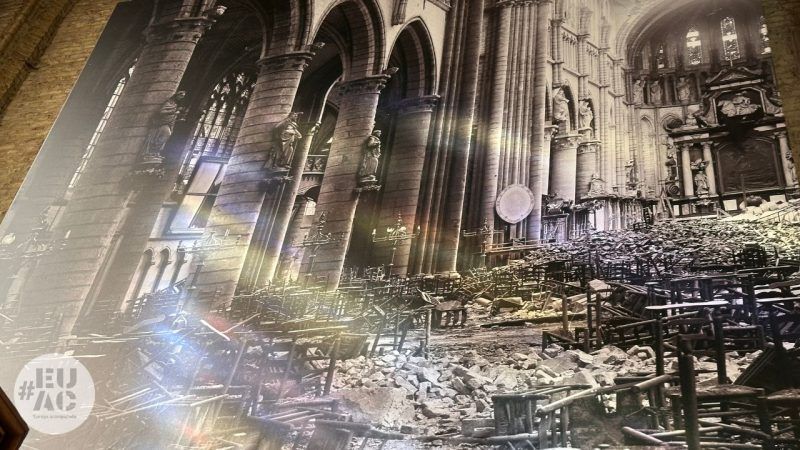
Menin Gate
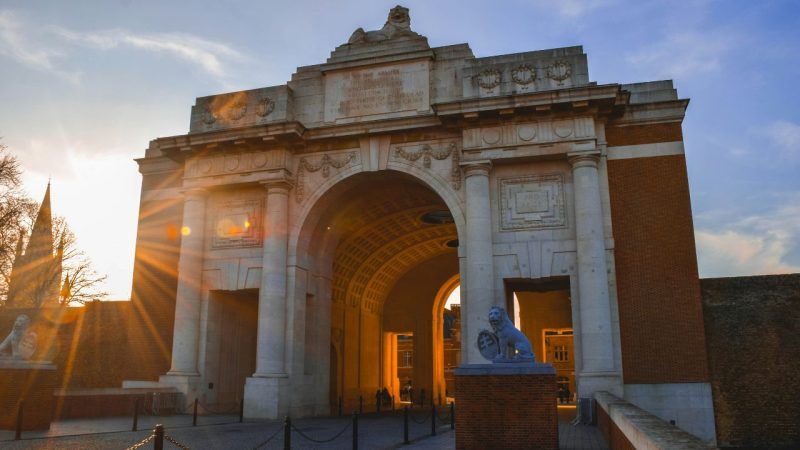
Another must-see place is the Menin Gate, a monument dedicated to the soldiers who disappeared in the First World War. Every night at 8 p.m., a moving ceremony is held in which honors are paid to the fallen. It’s a moment you don’t want to miss.
A tour around the city will take you to see the wall built by the famous Vauban. And reach the cemetery of the walls, one of the many war cemeteries that we will find in the area.
During the First World War, Ypres was surrounded on three sides by German troops. UK troops called this the Ypres salient. On the battlefields around Ypres used the Germans in 1915 for the first time poison gas as chemical weaponry. It was also occupied by the Germans during the Second World War.
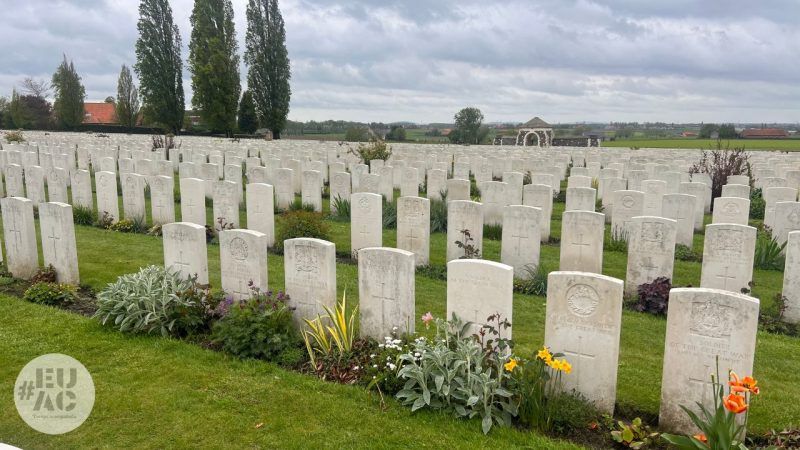
Throughout the years of World War I, hundreds of thousands of soldiers fought in the muddy, bombed-out landscapes we now know as Flanders Fields. Today, thousands of those men still rest in Flanders Fields, Belgium. They are remembered in the monuments, cemeteries and interpretive centres that commemorate them.
In the surroundings of the city we will also find trenches, you can take a tour of the sites, you can book them in the city, they are in English. We did not do it but I can tell you that it is possible.
Yes, we visited Ypres Cemetery, which is one kilometer from the city.
If you plan to visit Belgium, take a look at our itinerary in Brussels
Video of Ypres
NOTE: The information in this article is based on our own experience, being totally objective. This article contains affiliate links.